
415 TWh
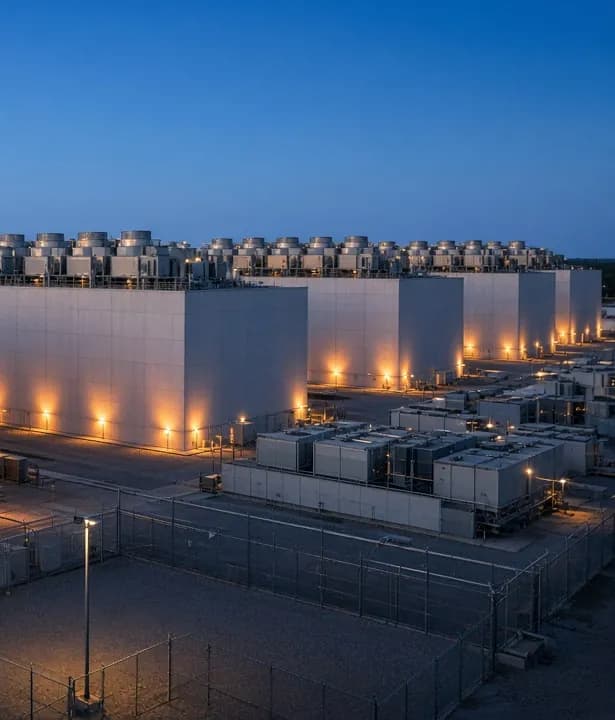
Data centres used about 415 TWh in 2024, about 1.5% of world electricity, heading to about 945 TWh by 2030. [1]

Emerge.ai DTP™ shifts inference to mobile, desktop, and on-premise hardware, balancing the grid and keeping more of the work out of the data center.
Published figures for data centers, the grid, and the carbon already built into hardware.
415 TWh
Data centres used about 415 TWh in 2024, about 1.5% of world electricity, heading to about 945 TWh by 2030. [1]
4.4%
US data centers were 4.4% of US electricity in 2023, rising to 6.7–12% by 2028, with 66 billion liters of direct water use in 2023. [2]
76 GW
76 GW of new load could connect if flexible for 0.25% of uptime. The average US grid load factor is 53%. [4]
50 kg
Embodied carbon is about 50 kg CO2e per phone, about 200 kg per PC, and about 1,000–4,000 kg per server. [5]
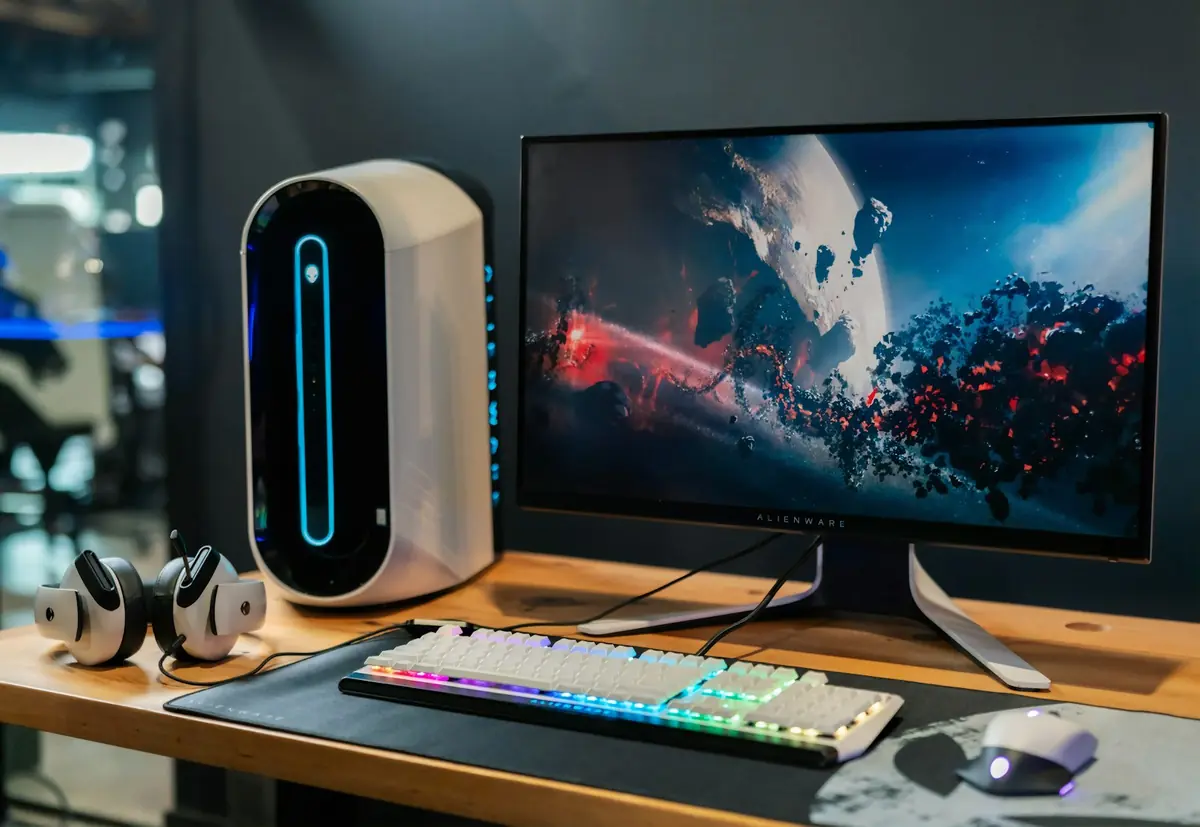
Shifting inference to the edge uses the hardware already in place, spreads the load, and leaves the data center to do less of that work.
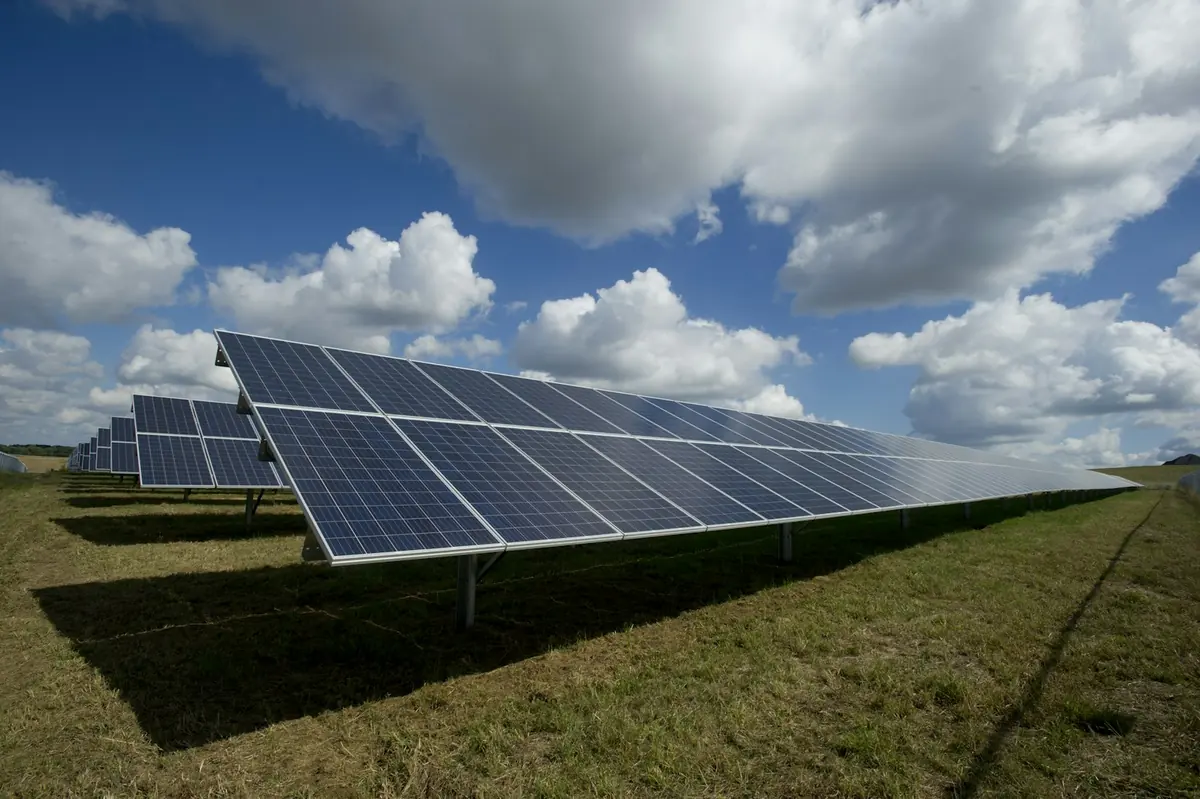
DTP can run inference when the grid has room, instead of calling for power at the peak.
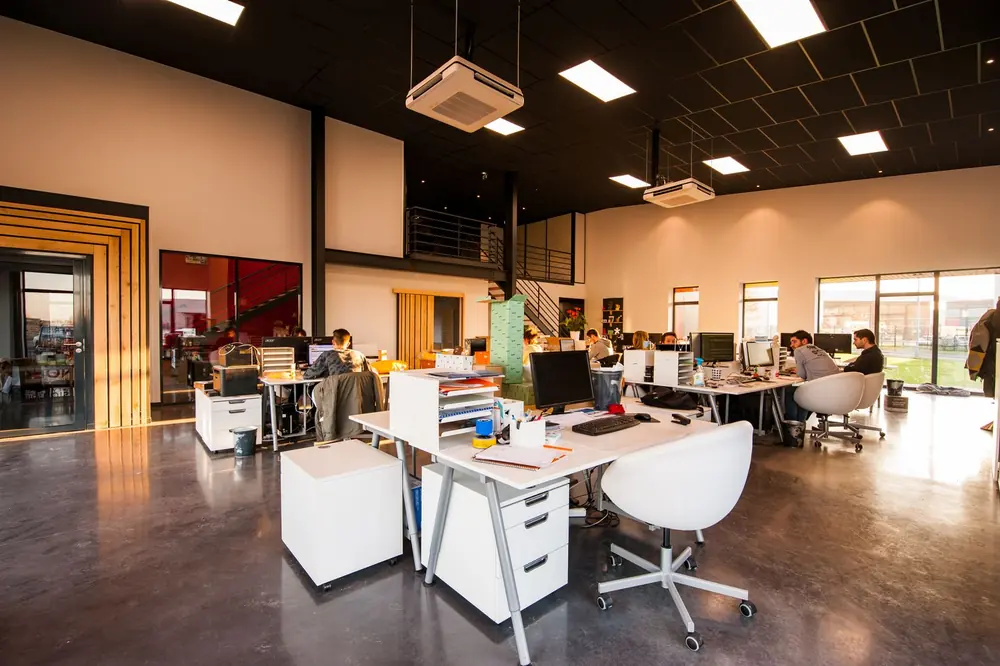
Phones, PCs, and on-premise servers are already built. Inference can run there instead of on a new machine.

Edge inference is spread across many places, so the work does not arrive as one spike in one building.

Data that stays local uses no network energy. Inference on the device or on premise skips the trip out and back.

When inference runs at the edge, the data center does less of that work, and the pressure to add halls for those jobs eases.
Inference can stay with the laptops and phones people already use, and with the server already in the building.
Inference
3/5
of ML energy is inference
Emerge.ai DTP™ routes each inference job. About 3/5 of ML energy goes to inference, so this is where placing the work changes the energy picture. Edge placement is for inference, not for training. [3]
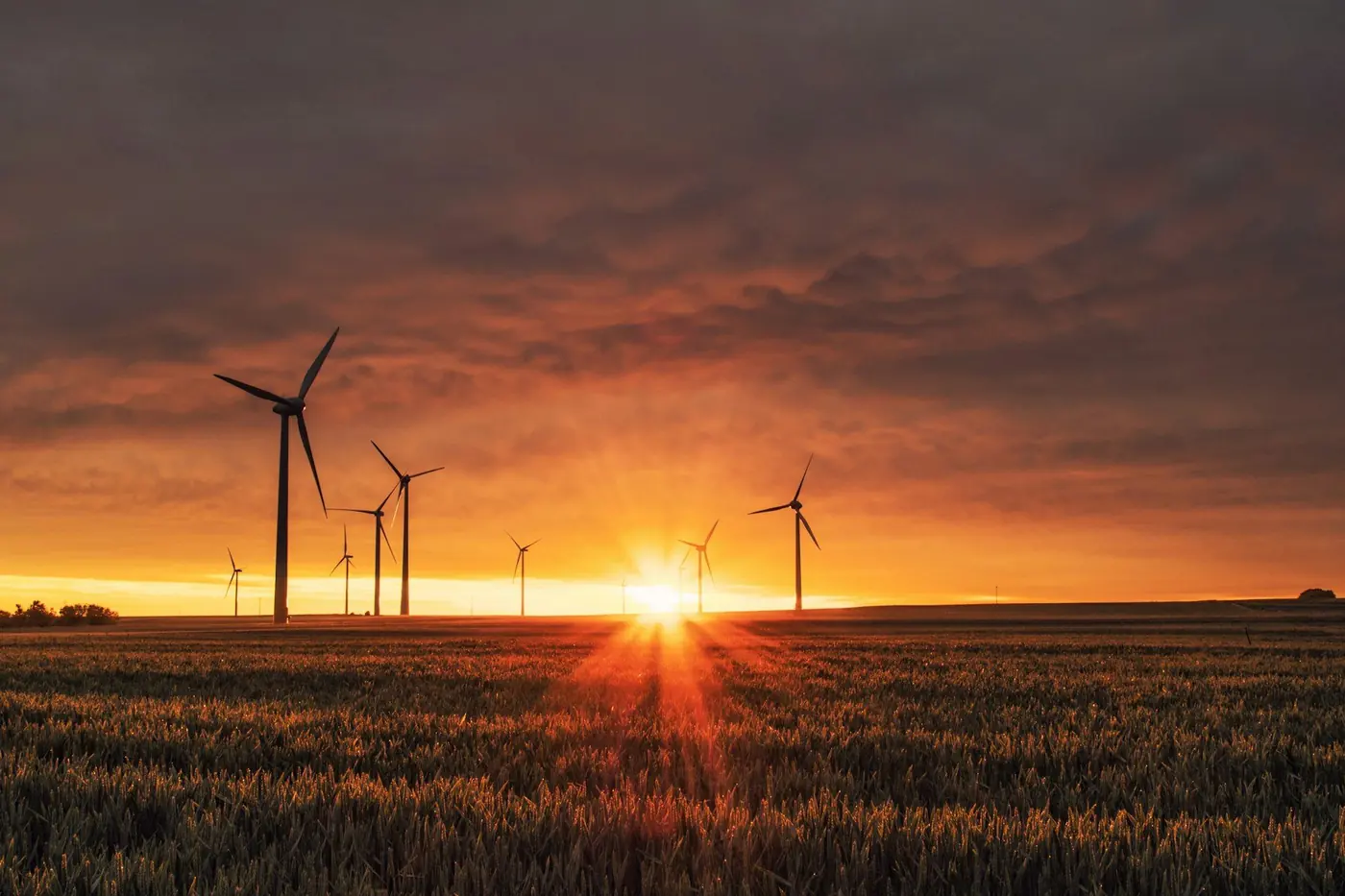
Illustration only. Measured figures are in the sources.

On site


Small jobs
Grid
At the peakEvened outHolding the big jobs
Data center

Leona
Large jobs
Today
Every small AI request travels over the network to a distant data center, adding to data-center electricity [1] and to peak load on the grid [4].
On site
Small jobs
Grid
At the peakEvened outHolding the big jobs
Data center
Leona
Large jobs
On site
Small jobs
Grid
At the peakEvened outHolding the big jobs
Data center
Leona
Large jobs
With Emerge.ai DTP™
Small inference jobs run locally on phones, laptops, desktops, and a Nala Edge server already on site. About 3/5 of ML energy goes to inference [3]. Traffic drops, the load evens out, and jobs can wait for off-peak or green hours.
On site
Small jobs
Grid
At the peakEvened outHolding the big jobs
Data center
Leona
Large jobs
Data centers for the big jobs
Only large jobs, training and very large models, go to the Leona private cloud. Fewer new data centers are needed [1].
On site
Small jobs
Grid
At the peakEvened outHolding the big jobs
Data center
Leona
Large jobs
Small jobs local. Big jobs in the cloud. Less build-out.
Privacy, capability, energy and timing, and the network decide where each inference job runs.
Work that has to stay in a place you control does not leave it.
The model and the hardware both have to be able to do the job.
DTP can place the job where power is available, and when the grid can take it.
Data that stays local uses no network energy. A job that must travel pays for the bytes and the round trip.
Mobile and web.
See Emerge.aiThe desktop you already have.
See Simba DesktopOn premise, in your building.
See Nala EdgePrivate cloud. Leona deploys quickly and securely on AWS, GCP & Azure, and on any private cloud.
See LeonaTalk with us about shifting inference onto the devices and servers you already own.
Contact us